
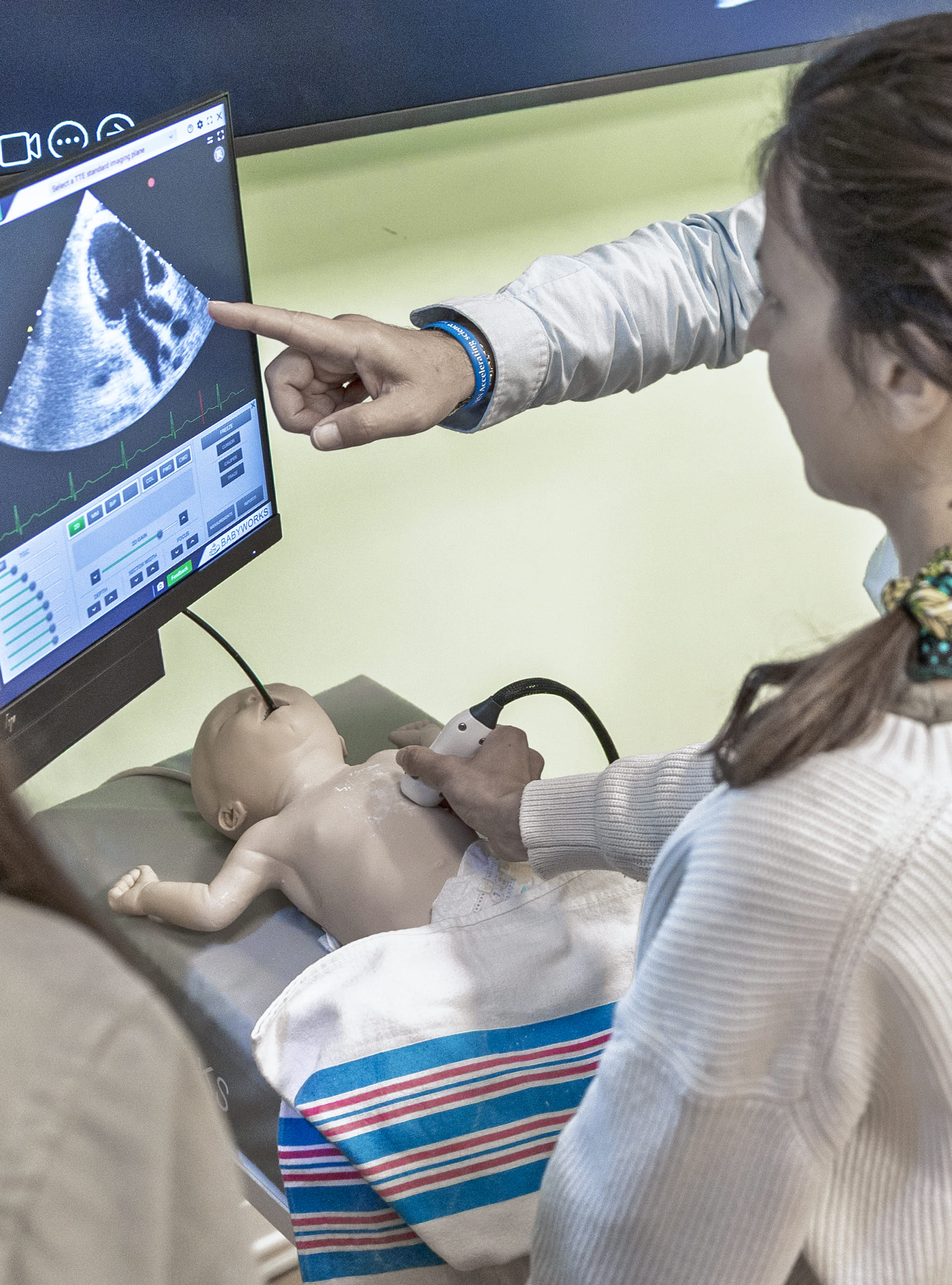
Pediatric cardiac surgery is one of the most complex and fascinating medical disciplines that exists. Operating on the heart of a child, sometimes just a few days old, requires a highly specialized team in which the nurse plays a central and irreplaceable role, especially during the delicate post-operative phase. Understanding the physiological peculiarities of the pediatric patient, the most common congenital heart diseases, and specific post-surgical complications is fundamental to ensuring safe and effective care.
Congenital heart defects affect approximately 8 out of every 1,000 live births and represent the largest group among congenital malformations. They are classified into cyanotic congenital heart defects, in which deoxygenated venous blood mixes with arterial blood (such as Tetralogy of Fallot, transposition of the great arteries, truncus arteriosus), and non-cyanotic congenital heart defects, in which the defect primarily causes an increase in pulmonary blood flow (such as atrial septal defect, ventricular septal defect, patent ductus arteriosus). Surgical correction, often necessary in the first weeks or months of life, can be palliative or corrective, depending on the complexity of the malformation and the child's clinical condition.
The period immediately following cardiopulmonary bypass (CPB) surgery is the most critical. CPB, which temporarily replaces the function of the heart and lungs during surgery, triggers a systemic inflammatory response that can negatively affect the function of all organs. In the immediate postoperative period, the nurse must carefully monitor cardiac function (heart rate, rhythm, blood pressure, left and right atrial pressure), respiratory function (ventilator parameters, saturation, EtCO2), renal function (hourly diuresis, creatinine), neurological status, and fluid and electrolyte balance.
One of the most feared complications in the post-operative period of pediatric cardiac surgery is Low Cardiac Output Syndrome (LCOS). It typically manifests in the first 6-12 hours after surgery and presents with tachycardia, hypotension, oliguria, cold and mottled skin, increased lactate, and reduced central venous saturation. Its management requires optimization of preload, reduction of afterload, inotropic support (typically with milrinone, dobutamine, or epinephrine), and, in more severe cases, the use of mechanical circulatory support with ECMO.
ECMO (ExtraCorporeal Membrane Oxygenation) is an extracorporeal life support technology that maintains organ perfusion and oxygenation when the heart and/or lungs are unable to do so on their own. In pediatric cardiac surgery, it is primarily used as a bridge to recovery (while awaiting heart recovery after surgery) or as a bridge to decision. Managing the ECMO circuit is one of the most advanced and specialized nursing skills that exist, requiring in-depth knowledge of the circuit, the ability to recognize and manage complications (thrombosis, hemolysis, hemorrhage, membrane dysfunction), and continuous 24-hour monitoring.
The management of pain and sedation in pediatric cardiac surgery patients is another area of great nursing importance. Children, especially younger ones, are unable to verbally communicate their discomfort, so nurses must rely on validated assessment scales such as the FLACC (Face, Legs, Activity, Cry, Consolability) or the COMFORT-B scale to assess the level of sedation and the presence of pain. Adequate analgesia and sedation reduce myocardial oxygen consumption, prevent hypertensive crises, and improve tolerance to mechanical ventilation, significantly contributing to patient outcomes.
Communication with the family is ultimately an essential aspect of nursing care in this context. Parents of a child with congenital heart disease experience an extremely traumatic event, filled with fear, guilt, and uncertainty about the future. The nurse, being the professional figure with whom the family has the most continuous contact, must know how to offer authentic emotional support, provide clear and understandable information about the child's clinical evolution, and facilitate parental involvement in care, promoting a Family-Centered Care model.